female-pattern baldness etiketine sahip kayıtlar gösteriliyor. Tüm kayıtları göster

5 Ağustos 2015 Çarşamba

Why is my hair falling out?

 Argan Rain product

For sure that men are more likely to lose their hair than women do, mostly due to male pattern baldness . There are 2 main reasons for that; one of them physical stress and the other one is pregnancy.
Not only men but also thinning hair and hair loss are common in women, and it is same demoralizing. Reasons can vary from the simple and temporary—a vitamin deficiency—to the more complex, like an underlying health condition.

In many situations, there is the best solution for treating both male and female hair loss. With ARGANRain totally herbal and natural products you will get the best treatment and see the results can be seen after only 3 months regular use.
Physical stress
Any kind of physical trauma—surgery, a car accident, or a severe illness, even the flu—can lead temporary hair loss. This can cause a type of hair loss called telogen effluvium. Hair has a programmed life cycle: a growth phase, rest phase and shedding phase. When there is a really stressful event, it can shock the hair cycle, (pushing) more hair into the shedding phase. Hair loss often becomes obvious three-to-six months after the trauma
Pregnancy

Pregnancy is one example of the type of physical stress that can cause hair loss because of the hormonal changes. Pregnancy-related hair loss is seen more commonly after you have given birth rather than actually during pregnancy. Giving birth is very traumatic.

 ARGANRain Product ORDER

29 Aralık 2014 Pazartesi

HOW TO TAKE CARE OF YOUR HAIR

Maintaining your hair is relatively easy with the right kind of steps. Hair is made of protein, so keeping a healthy diet and good hygiene is an essential part of maintaining luscious locks. At the same time, here are some other tips about hair care, and what you can do at home to get unbelievably beautiful hair.
 http://www.arganrain.net/

Wash hair sparingly with a good-quality shampoo 
Many people insist that washing hair too often can leave hair dried out, leeched of its natural oils, and damage your hair. Shoot to shampoo your hair at most every other day. Some people wash their hair only twice a week.
  • Try shampoos that do not contain sulfates or parabens. Sulfates are the chemicals that make shampoos lather up. Parabens are preservatives that cause irritation and eye problems after prolonged use. Both of these chemicals aren't healthy for you or the environment so try to use shampoos with natural cleansers.
  • Choose a shampoo that suits your hair type. Don't just go for any old shampoo; go for the shampoo that works for you!
  • Curly or coarse hair probably wants frizz-minimizing and softening shampoo.
  • Straight or oily hair probably wants a gentle shampoo designed for daily washing.
  • Colored or treated hair probably needs a shampoo that's fortified with extracts or amino acids, because treating your hair is essentially damaging it.
  • Dry hair probably needs shampoos with glycerin and collagen to help restore some moisture into the hair.


Use conditioner depending on your hair type, length, and treatment damage
A good rule of thumb is to condition every time you shampoo your hair, although very processed or dyed hair probably needs a little more love than natural hair.
  • Deep condition  once a week. Use a store-bought product, or venture out on your own and try a homemade solution.
  • Follow these steps for conditioning your hair properly based on hair type:
  • For fine hair: If you have very limp hair, try a botanical oil treatment before you shampoo. Use lavender or tea-tree oil, for example, and work it under your cuticles before shampooing. Wash shampoo away and apply conditioner from the mid-shaft down to the end. Leave in for a minute before washing
  • For medium to thick hair, use a moisturizer with natural hydrators. Keep your conditioner light. Apply conditioner all over your head and let stay for 2-3 minutes.
  • Be careful about using products with too much protein. Too much protein can leave your hair feeling desiccated and brittle. While protein is the building block of healthy hair, use conditioners that come with balanced ingredients.
  • Frizz-control serum can be used in small quantities to tame frizzes. Make sure you do not use too much, and wash once a week with a deep-cleanse shampoo to avoid build-up, which will leave hair looking dull and flaky.

 http://www.arganrain.net/

Don't brush your hair too much

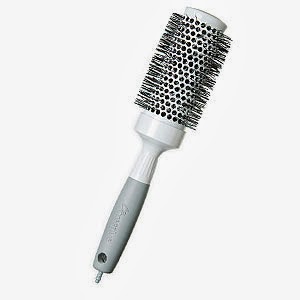
 One more surprising habit of people with beautiful hair is their reluctance to use a brush. Many women (and men) prefer only using a natural-fiber comb to detangle hair immediately after showering, and only then taking one pass through.
  • Brushing or stimulating the scalp can pull hairs from the follicles, create split-ends, and create irritation. Contrary to the old wives' tale, giving your scalp a massage or 100 brushes a day will not stimulate hair growth.


Let hair dry naturally
After you get out of the shower, give your hair a quick pat-down, squeezing the hair gently between the towel. Do NOT rub the hair, this can weaken the follicle and make the hair brittle and dull. Afterwards, give your hair a quick brush-through to get rid of tangles and let your hair dry naturally.

  • Try not to use a blow-drier. Healthy hair does not respond well to heat. Hair can sustain heat damage easily, especially from blow-driers. If you have to use a blow-drier, dry your hair using the lowest-temperature setting and limit usage to once a week.
  • If you shower before you sleep overnight, put your hair up in a bun and let it air-dry overnight. Your hair should be dry in the morning.


Eat healthy and give your hair the right amount of vitamins 
Since hair is made of proteins, make sure that you eat a balanced diet rich in lean protein, whole grains, fruits and vegetables. A healthy diet will ensure better-looking, better-feeling hair.
  • Make sure you get plenty of vitamin C (strengthens hair), iron (helps transport oxygen to blood vessels), zinc (grows and repairs tissue), and omega-3 fatty acids (grows healthy hair).
  • Give your hair some time to show new brilliance. What you eat will not have an immediate difference on the hair you already have, but it will help with hair that is newly growing

Click Here :  http://arganrainproducts.com/

31 Ekim 2014 Cuma

Types of Hair Loss


There are many types of hair loss with different symptoms and causes. Some of the more common types of hair loss are described below.

               Male and Female Pattern Baldness               
Male-pattern baldness is the most common type of hair loss. As well as affecting men, it can sometimes affect women (female-pattern baldness). It can be particularly difficult for both men and women to cope with. Male-pattern baldness follows a pattern of a receding hairline, followed by thinning of the hair on the crown and temples. During female-pattern baldness, hair usually only thins on top of the headMale- and female-pattern baldness is also called androgenic or androgenetic alopecia. Male-pattern baldness is a condition that runs in families, but it is not clear if this is the case with female-pattern baldness.


         Alopecia Areata            

Alopecia areata is patches of baldness that may come and go. It can occur at any age, but mostly affects teenagers and young adults. Six out of 10 people affected develop their first bald patch before they are 20 years old. Alopecia areata is thought to be caused by a problem with the immune system (the body's natural defence against infection and illness). It is also believed that some people's genes make them more susceptible to alopecia areata, as one in five people with the condition have a family history of the condition. In many cases the hair grows back after about a year.

          Scarring Alopecia           

Scarring alopecia, also known as cicatricial alopecia, is hair loss that can occur as a result of complications from another condition. In this type of alopecia, the hair follicle (the small hole in your skin that an individual hair grows out of) is completely destroyed. This means your hair will not grow back. Conditions that can cause scarring alopecia include lichen planus (an itchy rash affecting many areas of the body) and discoid lupus (a mild form of lupus affecting the skin, causing scaly marks and hair loss).


         Anagen Effluvium          


Anagen effluvium is widespread hair loss that can affect your scalp, face and body. One of the most common causes of this type of hair loss is the cancer treatment chemotherapy. It may be possible to reduce hair loss from chemotherapy by wearing a special cap that keeps the scalp cool. However, scalp cooling is not always effective and not widely available. In most cases, hair loss in anagen effluvium is temporary. Your hair should start to grow back a few months after chemotherapy has stopped.

             Telogen effluvium             
Telogen effluvium is a common type of alopecia where there is widespread thinning of the hair, rather than specific bald patches. Hair is shed from the scalp, usually as a reaction to stress or medication. This type of hair loss tends to improve without treatment after a few months.

         How is Hair Loss Treated?          

More common types of hair loss, such as male-pattern baldness, do not need treatment because they are a natural part of ageing and do not pose a risk to your health.
However, any type of hair loss can be distressing, so you should see your GP if you are worried about it.
Your GP should be able to diagnose your type of hair loss by examining your hair, and they can also discuss possible treatments with you. It is advisable to visit your GP before you try a private consultant dermatologist (skin care specialist).

If you wish to seek treatment for male-pattern baldness for cosmetic reasons.  Arganrain can also be used to treat female-pattern baldnessHowever, these treatments are not effective for everyone and only work for as long as they are continued. These treatments are also not available on the NHS and can be expensive. Alopecia areata is usually treated with steroid injections, although it is sometimes possible to use a steroid cream, gel or ointment. A treatment called immunotherapy may also be used. This involves stimulating hair growth by causing an intentional allergic reaction in the affected areas of skin. If you have significant hair loss of any type, you may decide to wear a wig. Wigs are available on the NHS, but you may have to pay for one unless you qualify for help with charges. There are also some surgical options for hair loss, including a hair transplant and artificial hair implants.

          Emotional Issues            

Hair loss can be difficult to come to terms with. The hair on your head can be a defining part of your identity. It reflects the image you have of yourself and how you want others to see you. If you start to lose your hair, it can feel as if you are losing part of your identity. This can affect your self-confidence and sometimes lead to depressionSpeak to your GP if you are finding it difficult to deal with your hair loss. They may suggest counselling, which is a type of talking therapy where you can discuss your issues with a trained therapist.
You may benefit from joining a support group or speaking to other people in the same situation – for example, through online forumsA number of charities, such as Alopecia UK, have support groups and online forums where you can talk to others who are experiencing hair loss.


“Buy 1, get 1 for free campaign” has began. The campaign period is in between  28.11.2014-12.12.2014.

You can have 2 products for  1 product price.

***After you buy the product , The only thing you need to do is sending  an email with this campaign code MY09061995B  to info@arganrain.com

23 Ekim 2014 Perşembe

SULFATE, SILICON, ALCOHOL, SALT,DYE FREE HERBAL ANTI HAIR LOSS SHAMPOO

Male and Female-Pattern Baldness

Male-pattern baldness is the most common type of hair loss. As well as affecting men, it can sometimes affect women (female-pattern baldness). It can be particularly difficult for both men and women to cope with. Male-pattern baldness follows a pattern of a receding hairline, followed by thinning of the hair on the crown and temples. During female-pattern baldness, hair usually only thins on top of the head. Male- and female-pattern baldness is also called androgenic or androgenetic alopecia. Male-pattern baldness is a condition that runs in families, but it is not clear if this is the case with female-pattern baldness.


Alopecia areata

Alopecia areata is patches of baldness that may come and go. It can occur at any age, but mostly affects teenagers and young adults. Six out of 10 people affected develop their first bald patch before they are 20 years old. Alopecia areata is thought to be caused by a problem with the immune system (the body's natural defence against infection and illness). It is also believed that some people's genes make them more susceptible to alopecia areata, as one in five people with the condition have a family history of the condition. In many cases the hair grows back after about a year.


Scarring alopecia

Scarring alopecia, also known as cicatricial alopecia, is hair loss that can occur as a result of complications from another condition. In this type of alopecia, the hair follicle (the small hole in your skin that an individual hair grows out of) is completely destroyed. This means your hair will not grow back.
Conditions that can cause scarring alopecia include lichen planus (an itchy rash affecting many areas of the body) and discoid lupus (a mild form of lupus affecting the skin, causing scaly marks and hair loss).


Anagen effluvium


Anagen effluvium is widespread hair loss that can affect your scalp, face and body. One of the most common causes of this type of hair loss is the cancer treatment chemotherapy.
It may be possible to reduce hair loss from chemotherapy by wearing a special cap that keeps the scalp cool. However, scalp cooling is not always effective and not widely available.
In most cases, hair loss in anagen effluvium is temporary. Your hair should start to grow back a few months after chemotherapy has stopped.


Telogen effluvium

Telogen effluvium is a common type of alopecia where there is widespread thinning of the hair, rather than specific bald patches. Hair is shed from the scalp, usually as a reaction to stress or medication. This type of hair loss tends to improve without treatment after a few months.
Read more about the symptoms of hair loss and the causes of hair loss.


How is hair loss treated?

More common types of hair loss, such as male-pattern baldness, do not need treatment because they are a natural part of ageing and do not pose a risk to your health. However, any type of hair loss can be distressing, so you should see your GP if you are worried about it. Your GP should be able to diagnose your type of hair loss by examining your hair, and they can also discuss possible treatments with you. It is advisable to visit your GP before you try a private consultant dermatologist (skin care specialist).


If you wish to seek treatment for male-pattern baldness for cosmetic reasons. However, these treatments are not effective for everyone and only work for as long as they are continued. These treatments are also not available on the NHS and can be expensive. Alopecia areata is usually treated with steroid injections, although it is sometimes possible to use a steroid cream, gel or ointment. A treatment called immunotherapy may also be used. This involves stimulating hair growth by causing an intentional allergic reaction in the affected areas of skin. If you have significant hair loss of any type, you may decide to wear a wig. Wigs are available on the NHS, but you may have to pay for one unless you qualify for help with charges. There are also some surgical options for hair loss, including a hair transplant and artificial hair implants.
Read more about diagnosing hair loss and treating hair loss.


Emotional issues

Hair loss can be difficult to come to terms with. The hair on your head can be a defining part of your identity. It reflects the image you have of yourself and how you want others to see you. If you start to lose your hair, it can feel as if you are losing part of your identity. This can affect your self-confidence and sometimes lead to depressionSpeak to your GP if you are finding it difficult to deal with your hair loss. They may suggest counselling, which is a type of talking therapy where you can discuss your issues with a trained therapist. You may benefit from joining a support group or speaking to other people in the same situation – for example, through online forums. A number of charities, such as Alopecia UK, have support groups and online forums where you can talk to others who are experiencing hair loss.


“Buy 1, get 1 for free campaign” has began. The campaign period is in between  28.11.2014-12.12.2014.

You can have 2 products for  1 product price.


***After you buy the product , The only thing you need to do is sending  an email with this campaign code MY09061995B  to info@arganrain.com

21 Ekim 2014 Salı

STOP HAIR LOSS, BALDING, HAIR SHEDDING, ALOPECIA

http://www.arganrainproducts.com/


Also called alopecia (al-o-PEE-shah). Man with hair loss hereditary hair loss. Millions of men and women have hereditary hair loss. This type of hair loss can often be successfully treated. Everyone loses hair. It is normal to lose about 50-100 hairs every day. If you see bald patches or lots of thinning, you may be experiencing hair loss. There are many causes of hair loss. Women may notice hair loss after giving birth. People under a lot of stress can see noticeable hair loss. Some diseases and medical treatments can cause hair loss. Even how you style and care for your hair can cause hair loss. The most common cause of hair loss is a medical condition called hereditary hair loss. About 80 million men and women in the United States have this type of hair loss. Other names for this type of hair loss are:

  
  • Male-pattern baldness.
  • Female-pattern baldness.
  • Androgenetic alopecia.
Luckily, most causes of hair loss can be stopped or treated. Anyone troubled by hair loss should see a dermatologist. These doctors specialize in treating our skin, hair, and nailsArganRain Anti-Hair Loss Treatment are designed to assist in the treatment of alopecia , an immune system disorder which causes scalp hair loss, often in small patches. Treating alopecia is usually a trial and error process, experimenting to find the most appropriate remedy for each patient. Fortunately, most experts believe the patient's body ultimately decides when to regrow hair since hair follicles aren't lost or damaged during an active alopecia episode. ArganRain Anti-Hair Loss Treatment made with herbs and natural oils, while prescription remedies for alopecia contain ingredients like ArganRain Anti-Hair Loss Treatment.


“Buy 1, get 1 for free campaign” has began. The campaign period is in between  28.11.2014-12.12.2014.

You can have 2 products for  1 product price.


***After you buy the product , The only thing you need to do is sending  an email with this campaign code MY09061995B  to info@arganrain.com