oil etiketine sahip kayıtlar gösteriliyor. Tüm kayıtları göster

18 Aralık 2014 Perşembe

SCARRING ALOPECIA


Scarring alopecia, also known as cicatricial alopecia, refers to a collection of hair loss disorders that may be diagnosed in up to 3% of hair loss patients. It occurs worldwide in otherwise healthy men and women of all ages.

Each specific diagnosis within this category is fairly rare, but some examples include dissecting cellulitis, eosinophilic pustular folliculitis, follicular degeneration syndrome (previously called "hot comb" alopecia), folliculitis decalvans, lichen planopilaris, and pseudopelade of Brocq, to name a few. Scarring alopecia may also be part of a much larger condition such as chronic lupus erythematosus, where many organs of the body can be affected.

Recommended Related to Hair Loss

Understanding Hair Loss

Although you can't reverse natural balding, you can protect your hair from damage that may eventually lead to hair thinning.  Many people put tremendous stress on their hair. Hair dryers, hot curlers, hair dyes, permanent and hair straightening products, and chemical-laden cosmetics may cause dry, brittle, and thinning hair.  To prevent hair damage that may cause hair loss, follow these tips: Go natural: Leave your hair its natural color and texture. If that is not an option for you...

Read the Understanding Hair Loss

While there are many forms of scarring alopecia, the common theme is a potentially permanent and irreversible destruction of hair follicles and their replacement with scar tissue.

Most forms of scarring alopecia first occur as small patches of hair loss that may expand with time. In some cases the hair loss is gradual, without noticeable symptoms, and may go unnoticed for a long time. In other instances, the hair loss is associated with severe itching, burning, and pain, and is rapidly progressive.

The scarring alopecia patches usually look a little different from alopecia areata in that the edges of the bald patches look more "ragged." The destruction of the hair follicle occurs below the skin surface so there may not be much to actually see on the scalp skin surface other than patchy hair loss. Affected areas may be smooth and clean, or may have redness, scaling, increased or decreased pigmentation, or may have raised blisters 
with fluids or pus coming from the affected area.
These visual indicators may help with diagnosis, but it is difficult to diagnose a scarring alopecia just from the pattern of the hair loss and the nature of the scalp skin. Often when scarring alopecia is suspected, one or more skin biopsies are done to confirm the diagnosis and help identify the particular form of scarring alopecia. A small biopsy of 2 to 4 mm in diameter is taken and examined under a microscope. A pathologist or dermatologist will look for destruction of the hair follicles, scar tissue deep in the skin, and the presence and location of inflammation in relation to the hair follicles.

Often, the early stages of a scarring alopecia will have inflammatory cells around the hair follicles, which, many researchers believe, induces the destruction of the hair follicles and development of scar tissue. However, there is some argument about this among dermatologists, as sometimes a biopsy from a scarring alopecia-affected individual shows very little inflammation.

Scarring alopecia almost always burns out. The bald patches stop expanding and any inflammation, itching, burning, or pain goes away. In this end stage, another skin biopsy usually shows no inflammation around hair follicles. Bald areas usually have no more hair follicles. Sometimes, though, hair follicles, at least those at the periphery of a bald patch, are not completely destroyed and they can regrow, but often all that is left are just a few longitudinal scars deep in the skin to
 show where the hair follicles once were.
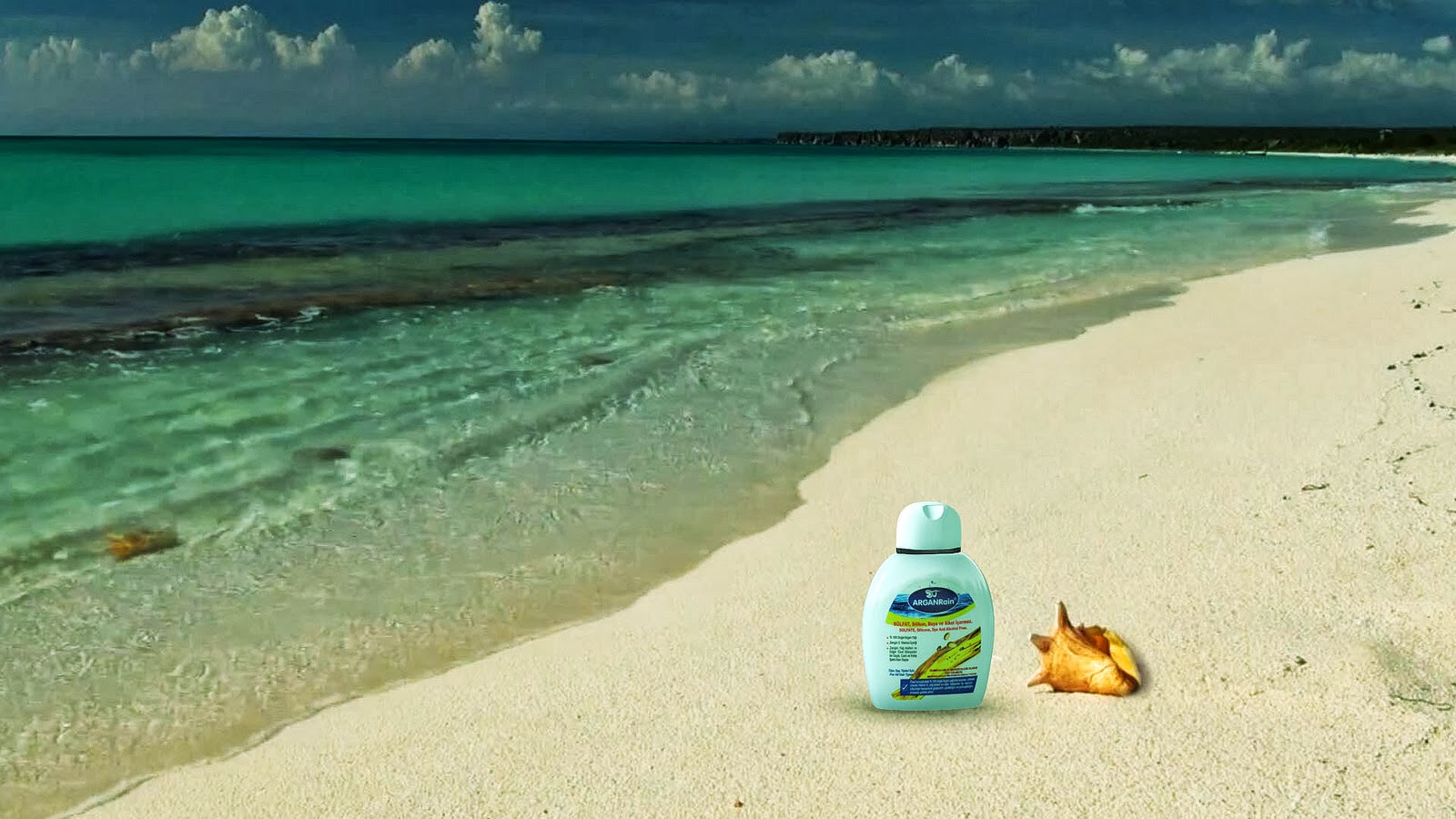


             Special Christmas  Offers              

“Buy 1, get 1 for free campaign” has began. The campaign period is in between  13.12.2014 - 01.01.2015.

You can have 2 products for  1 product price.

***After you buy the product , The only thing you need to do is sending  an email with this campaign code MY09061995B  to info@arganrain.com

20 Ekim 2014 Pazartesi

Is 20 Too Young To Get A Hair Transplant?


I'm 18, but I'm planning on getting a hair transplant when I'm 20. I haven't actually lost much hair.. I've always had a bad hairline.


ANSWER :

If parts of it are too low then you could get some hair removed via laser to make it more even.

If you need to fill in gaps then you should go for that newer style of hair transplant which does not take a whole strip from the back of your head but takes hairs from all over and punches them back in. Forget what it is called.

Why don't you reconsider it and try and accept your hairline.
You're so young, and I'm sure it's not bad at all. :) Maybe it's just uniquely you. For hair loss i would suggest you Chemical-free anti hair loss products.


“Buy 1, get 1 for free campaign” has began. The campaign period is in between  28.11.2014-12.12.2014.

You can have 2 products for  1 product price.


***After you buy the product , The only thing you need to do is sending  an email with this campaign code MY09061995B  to info@arganrain.com

16 Ekim 2014 Perşembe

Good advices, tips on reducing or stopping hair loss?

     Good advices, tips on reducing or stopping hair loss? I am only 20 and I recently started losing a lot of hair on my head. I need some advices and tips how to reduce the hair loss or stop it. Thanks.


ANSWER:

     Drink 10-12 glasses of water daily and have a high protein diet with plenty of fruits, vegetables and dairy products. Since iron-deficiency anemia can also cause hair loss,make sure that you eat a well-balanced diet that includes a daily serving or two of iron-rich foods. Also you need to use shampoo in which contains no chemicals such as Sulphate, alcohol, dye and silicone or paraben. My favorite is ARGANRain organic argan oil shampoo it is very effective to fight hair loss. My shedding has stopped after a few wash. Check out www.arganrain.net


14 Ekim 2014 Salı

The Presentation Was Called "Hair Today, Gone Tomorrow"

     The fragile, marshmallow-white girl stood up in front of the class. "I woke up one day to the surprise of drool on my cheek and a bald patch on my head," she said.

     Although only 11, she gave her presentation using terms that only adults or medical students would understand. "My project is about the autoimmune disorder I have: alopecia areata."


     Her classmates needed no explanation since it was obvious that the girl had lost her eyelashes, eyebrows, and hair. She frequently had to leave school for doctor appointments. Teasing was never an issue for her because people saw that she had not let her condition affect her life; confidence was her key. Her peers frequently asked her why she chose not to wear a wig, and she would merely reply, "My hair may be short enough to cause worry, but life is too short to allow it."

     That girl is me. ArganRain my problem with what I see as a miracle, and I'm over it I would recommend without hesitation to anyone experiencing problems like you and me.
 Good luck to everyone...


HOW TO PREVENT ALOPECIA


The Truth About Hair Loss


     It is normal to shed hair every day and the truth is we lose between 100-125 hairs on any given day. Hair that is shed falls out at the end of growth cycle. At any given time 10% of our hair is in what is called a “resting phase” and after 2-3 months resting, hair falls out and new hair grows in its place. Some people, however, experience more hair loss than is normal.

    As we get older, both men and women experience some hair loss. It’s a normal part of the aging process called Androgenetic Alopecia, it accounts for 95% of all hair loss. Androgentic Alopecia often runs in families and affects some people more than others. In men it is often referred to as Male Pattern Baldness. It is characterized by a receding hair line and baldness on the top of head. Women, on the other hand, don’t go entirely bald even if their hair loss is severe. Instead, hair loss is spread out evenly over their entire scalp.

      Hormones play the dominant role when talking about Androgenetic Alopecia. Simple put, both men and women produce testosterone. Testosterone can be converted to dihydrotestosterone (DHT) with the aid of the enzyme 5-alpha-reductase. DHT shrinks hair follicles causing the membranes in the scalp to thicken, become inelastic and restrict blood flow. This causes the hair follicles to atrophy. As a result, when a hair does fall out, it is not replaced. Needless to say, men produce more testosterone than women and experience more hair loss.

      While Androgenetic Alopecia is the number one reason why individuals experience hair loss, it is not the only one. Medical conditions such as hypothyroidism, ringworm and fungal infections can cause hair loss. Certain medications such as blood thinners, gout medication, birth control pills and too much vitamin A can cause sudden or abnormal hair loss as can following a crash diet, sudden hormonal changes, chemotherapy and radiation.

       Emotional stress, pregnancy, or surgery can also cause our hair to fall out and is usually not noticed until 3-4 months after the stressful event has taken place. Stress can cause a slowing of new hair growth because a larger number of hair follicles enter into the resting phase and no new hair growth is experienced.

     Another way in which individuals experience hair loss is due to mechanical stressors on the hair and scalp. Wearing pigtails, cornrows or tight rollers that end up pulling on the hair can scar the scalp and cause permanent hair loss. Hair products such as hot oil treatments and chemicals used for permanents can cause inflammation to the hair follicles which can also result in scarring and hair loss. The best and healthy way to product your hair is ARGAN oil and  ARGANRain anti hair loss shampoo.


Hair Loss

  
  All people lose hair on a daily basis, unfortunately many people will go through rapid hair loss without new hair coming in to replace it which results in thinning hair which possibly leads to some degree of baldness.Hereditary plays a major role in the severity of hair loss but improper care of your hair along with an unhealthy lifestyle may cause early hair loss.


Hair Loss Prevention


Getting proper nutrition is essential for healthy hair. Water, protien, biotin (part of the vitamin B complex), vitamins A, B6, B12, C, copper, iron, omega 3 fatty acids, zinc, calcium, folic acid, and magnesium all play a part in maintaining a healthy scalp, skin, and hair.

Using your fingertips to massage your scalp will increase circulation in your scalp which is important for hair growth.

Gentle combing or brushing of your hair will help break up hardened oils that clog your pores. It is recommended that you comb or brush 100-200 strokes in the morning and at night.

Avoid excessive wind, sun, and heat (such as from hair dryers, hot showers, and curling irons) on your hair.

Tight fitting caps and hats will cause poor circulation in your scalp and will also cause build-up of sweat and grime.


If you have live a high stressed life try reducing stress by taking some time out daily just to relax, excessive stress is believed to induce hair loss.


If you color your hair, limit coloring it to once every 2 months. Hair coloring damages your hair and the less frequently you color it the better.


Avoid putting too much physical stress on your hair; 
brush/comb your hair gently, don't pull your hair when you brush and avoid braids and ponytails if possible, they place constant stress on your hair.


Some Solutions about Hair Loss


  • Get enough sleep.


  • Use a conditioner and trim any split ends.


  • See your doctor or a dermatologist for advice if you have concerns about hair loss and want to seek treatment.


  • Other alternative is; you can use ARGANRain product which contain %100 argan oil. (This oil has a perfect impact for hair loss or healthy hair).


 ARGANRain